
Losing weight is one of the most common health goals, yet many people struggle to achieve it in a healthy, sustainable way. Crash diets and extreme workout routines may deliver quick results, but they often fail to maintain long-term weight loss. So how can you shed those extra pounds and keep them off and that too without compromising your health?
Here are seven science-backed strategies for safe, sustainable weight loss.
1. Prioritize a Balanced Diet
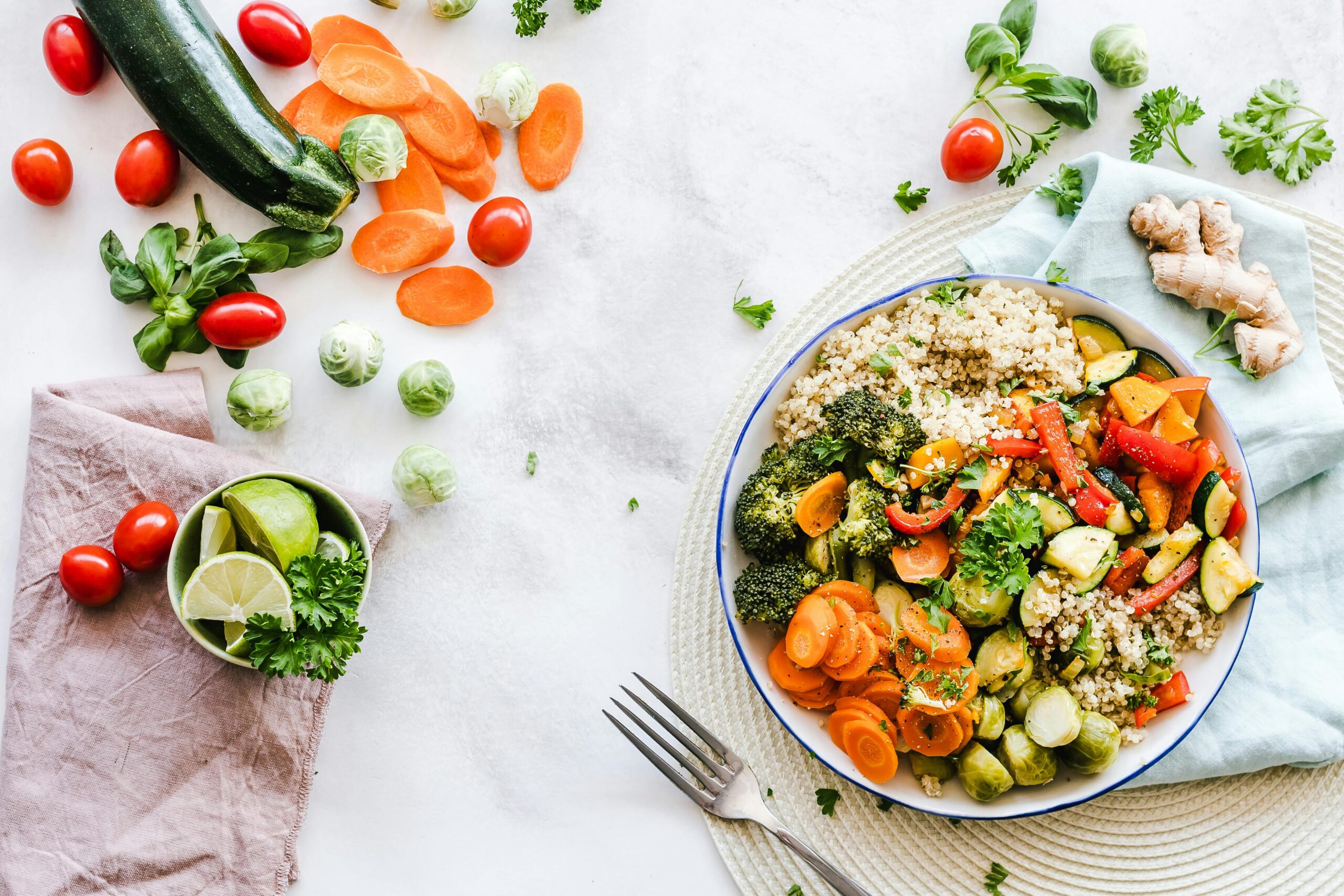
A balanced diet is the foundation of any weight loss journey. Focus on whole foods such as vegetables, fruits, lean proteins, whole grains, and healthy fats. These foods are naturally nutrient-dense and help keep you fuller for longer, reducing the urge to overeat.
Pro tip: Avoid highly processed foods high in sugar, trans fats, and artificial additives, as they tend to promote weight gain and inflammation.
2. Practice Portion Control
Even healthy foods can lead to weight gain if eaten in large quantities. Portion control is key & try using smaller plates, serving appropriate amounts, and listening to your body’s natural hunger cues.
3. Stay Hydrated
Water is crucial for your metabolism and digestive health. Studies suggest that drinking water before meals can help reduce calorie intake and support fat burning. Aim for at least 6–8 glasses of water per day.
4. Get Consistent Physical Activity
Regular movement is essential for maintaining a calorie deficit and improving overall health. You don’t have to spend hours in the gym, even brisk walking, cycling, or dancing for 30 minutes a day can boost your metabolism and support your weight loss efforts.
Bonus tip: Incorporate strength training 2–3 times per week to build muscle mass, which helps burn more calories even at rest.
5. Prioritize Sleep and Manage Stress
People often underestimate the impact of poor sleep and chronic stress on weight gain. Lack of sleep can disrupt hunger hormones, while stress can trigger emotional eating. Aim for at least 7–8 hours of sleep nightly, and practice stress-reducing activities like deep breathing, meditation, or yoga.
6. Set Realistic, Trackable Goals
Unrealistic expectations often lead to disappointment and giving up. Instead, set small, achievable goals, such as losing 1–2 pounds per week, and track your progress using a journal or an app. Celebrate each milestone along the way!
7. Consider Natural Supplements with Scientific Support
If you feel stuck despite diet and exercise, some natural supplements may help support your metabolism and appetite control. Products like GluSlim combine natural ingredients that help prevent fat absorption and promote efficient fat burning, supporting your weight loss goals without harsh side effects.
Always consult with a healthcare provider before adding any supplement to your routine.
Final Thoughts
Healthy weight loss isn’t about quick fixes — it’s about making sustainable changes you can maintain for life. Prioritize whole foods, stay active, sleep well, and keep a positive mindset. And if you need a natural boost, supplements like GluSlim may help you stay on track.
Ready to take the next step toward your healthiest self? Explore GluSlim today!
