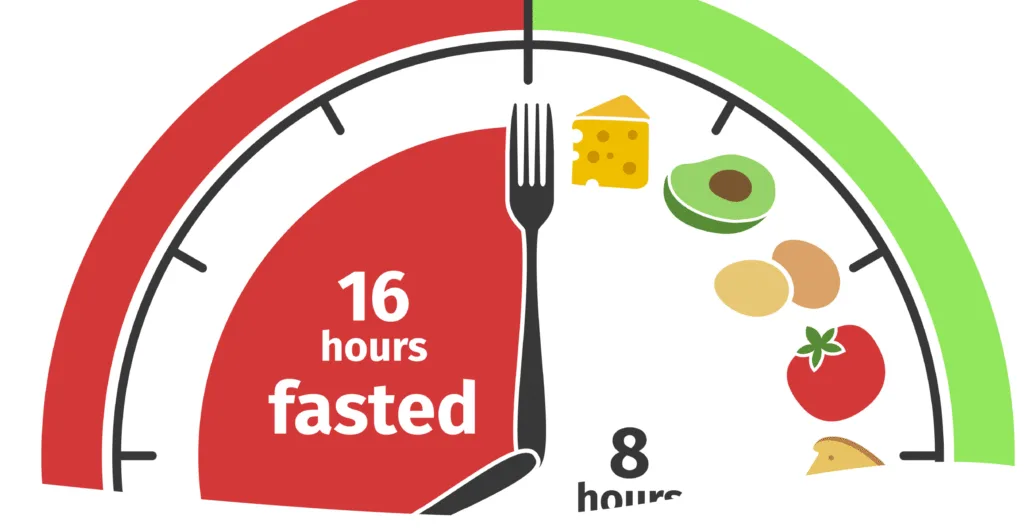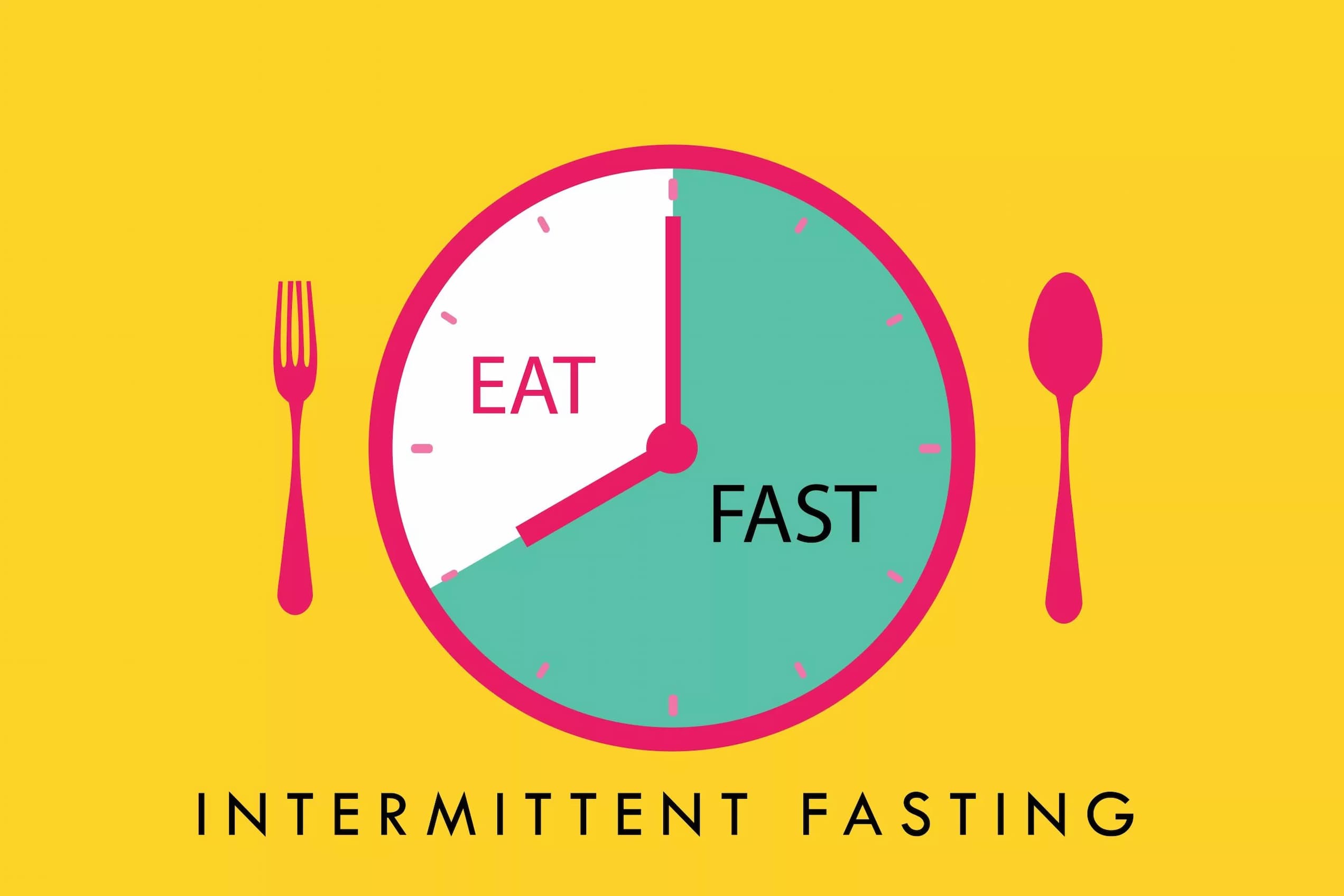
Intermittent fasting has exploded in popularity, with countless influencers and articles promoting it as the ultimate path to effortless weight loss. From the 16:8 method to alternate-day fasting, many believe restricting your eating window is a simple, science-backed way to shed pounds and reset your metabolism.
But is intermittent fasting really the best choice for everyone?
Research shows it may have more downsides than people realize. Let’s explore why intermittent fasting isn’t necessarily the miracle solution it’s hyped up to be and why a balanced, sustainable eating plan might serve you better.
1️⃣ It Can Disrupt Hormones, Especially in Women
While intermittent fasting may be fine for some, it can be risky for women. Restricting food for long periods can disrupt reproductive hormones like estrogen and progesterone, affecting menstrual cycles, fertility, and even bone health. Some women report irregular periods, hair loss, and mood swings after starting an intermittent fasting routine.
2️⃣ Increased Risk of Binge Eating
Restricting eating windows can trigger an unhealthy binge-restrict cycle. Many people experience extreme hunger after the fasting window ends, leading to overeating and guilt. This pattern is not only emotionally stressful but can harm your relationship with food.
3️⃣ Blood Sugar Fluctuations
People with insulin resistance, diabetes, or hypoglycemia should be especially careful. Long fasting windows may cause dangerous drops in blood sugar, dizziness, fatigue, and fainting spells. Managing blood sugar with smaller, balanced meals throughout the day is often safer.
4️⃣ Energy and Mood Problems
Fasting for long stretches can leave you feeling irritable, low-energy, and even depressed. The lack of steady fuel can make it hard to focus at work, exercise effectively, or simply enjoy daily life. Balanced, consistent meals provide stable energy and support a better mood.
5️⃣ It May Not Be Sustainable Long Term
Like many restrictive diets, intermittent fasting can be hard to maintain for months or years. Social events, family meals, and travel often clash with strict eating windows, making fasting impractical for real life. A flexible, balanced diet is much easier to stick with long-term.
6️⃣ Possible Digestive Issues
Some people on intermittent fasting report bloating, constipation, or acid reflux. Eating large meals in a short window can overwhelm the digestive system, especially if high-fiber foods are eaten too quickly after a prolonged fast.
What’s a Better Alternative?
Instead of extreme fasting windows, aim for consistent, balanced nutrition that keeps your metabolism humming and supports long-term health:
✅ Eat every 3–4 hours to stabilize blood sugar
✅ Include plenty of protein, fiber, and healthy fats
✅ Focus on portion control
✅ Move daily with exercise you enjoy
✅ Consider natural supplements like GluSlim to support appetite control without extreme dieting
Final Thoughts
While intermittent fasting works for some, it isn’t the miracle solution that social media makes it out to be and it may even be harmful for certain people.
A balanced, flexible, sustainable approach to eating is safer, healthier, and easier to maintain for long-term weight management.
Ready to build healthy habits that actually last? Discover how GluSlim can support your natural weight loss journey today!